


Home
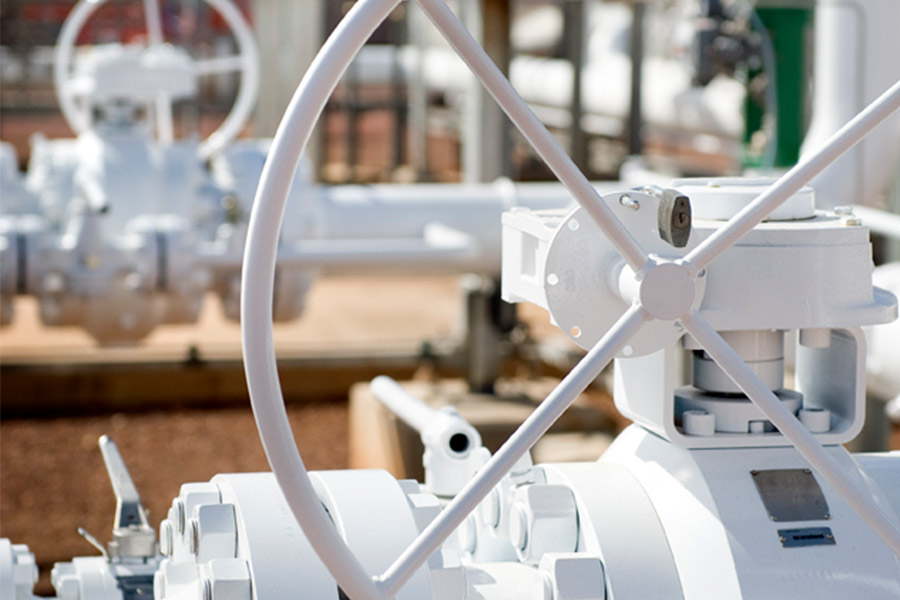
Boundless energy
Our modern world is built on energy. It runs our homes, our communities and our industries, enabling ever-improving standards of living and unmatched technological advancement.
While the sources of energy may change as the world evolves, our reliance on it will only intensify.
Epic Energy is committed to meeting Australia’s energy needs as we move into an exciting new era of social and industrial transformation.
Your partner in energy
Epic Energy is one of Australia’s leading energy infrastructure companies.
With a gas pipeline network spanning over 1,200 kilometres and a renewable energy portfolio of wind, solar and microgrid assets, we connect energy retailers, power generators and industry with energy to drive our communities forward.
Connected energy
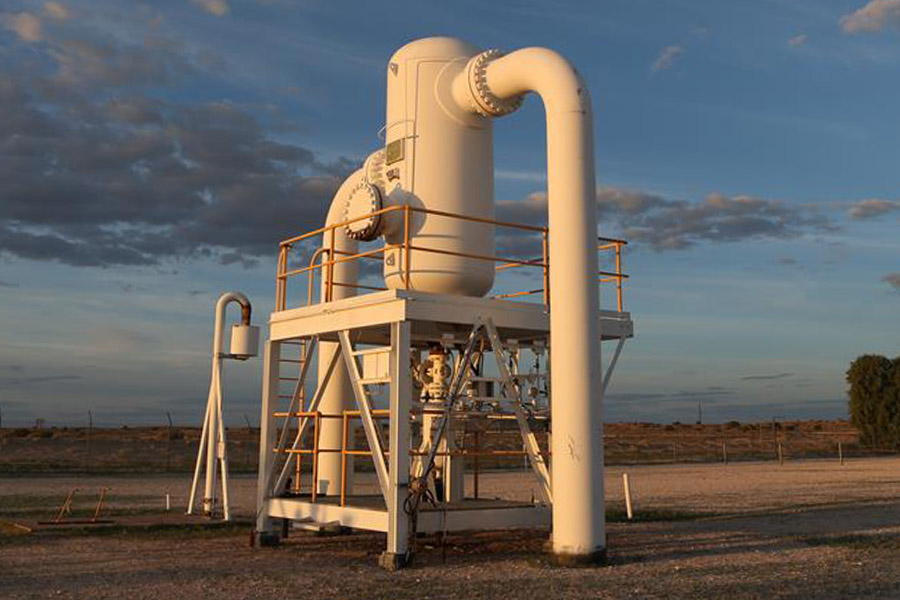
Our energy assets are designed to meet the needs of an evolving energy market.
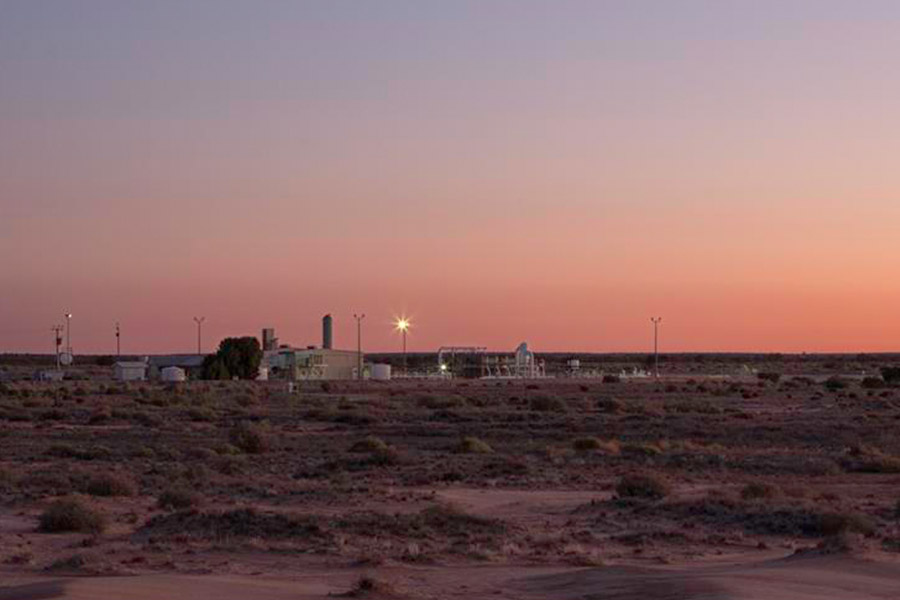
We own and operate two major gas transmission pipelines in South Australia – the Moomba to Adelaide Pipeline System (MAPS) and the South East Pipeline System (SEPS) – and renewable generation assets including wind farms, a solar farm and microgrid which deliver energy directly to the electricity grid.
We’re committed to meeting the needs of an evolving energy market by establishing a diverse range of energy assets, including a portfolio of renewable energy infrastructure.
Energised by people
While energy infrastructure is our business, it’s our focus on people and relationships that sets us apart.
As an organisation we value integrity, honesty and responsibility. Our people are committed, supportive, dependable and passionate, and strive to deliver outstanding results for our customers every time.
It’s our people who have built our reputation for being one of the most authentic and trusted energy infrastructure companies in the country.
Tomorrow's energy
At Epic Energy, we’re proud of our history and excited by the future.
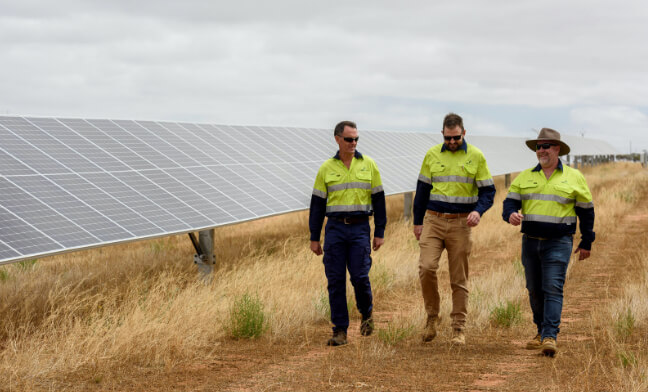
Gas is a vital element of Australia’s current energy mix, but we understand that our world is undergoing transformation and new sources of energy will grow in importance over coming decades.
That’s why we’re investing in a portfolio of renewable energy assets for our customers, beginning with the acquisition of two wind farms with the capability to power 9,000 Australian homes. This portfolio has expanded to include solar farms and a microgrid and we will continue to embrace new energy directions as our world transitions to tomorrow’s energy.